“So, honey, how many square metres do you think our block is?” I began.
Tim turned around and saw the building contract spread out in front of me.
“NO!” he exclaimed emphatically, “I’m not doing that now!” “I’m doing my thing.”
The building contract. We’re so close. He knows. He even told me he was getting excited about finally starting our extension, and yet I still have to fight him at every turn! Getting this done will be good for us, it will benefit us all, it will make us all happy.
As women, we often think that if he’s going to agree to something, he needs to give a favourable response. Or, in other words, ‘If he really loved me, he would want to do this.’
But what if part of the role we play as women is to inspire him to the thing that he doesn’t want to do?
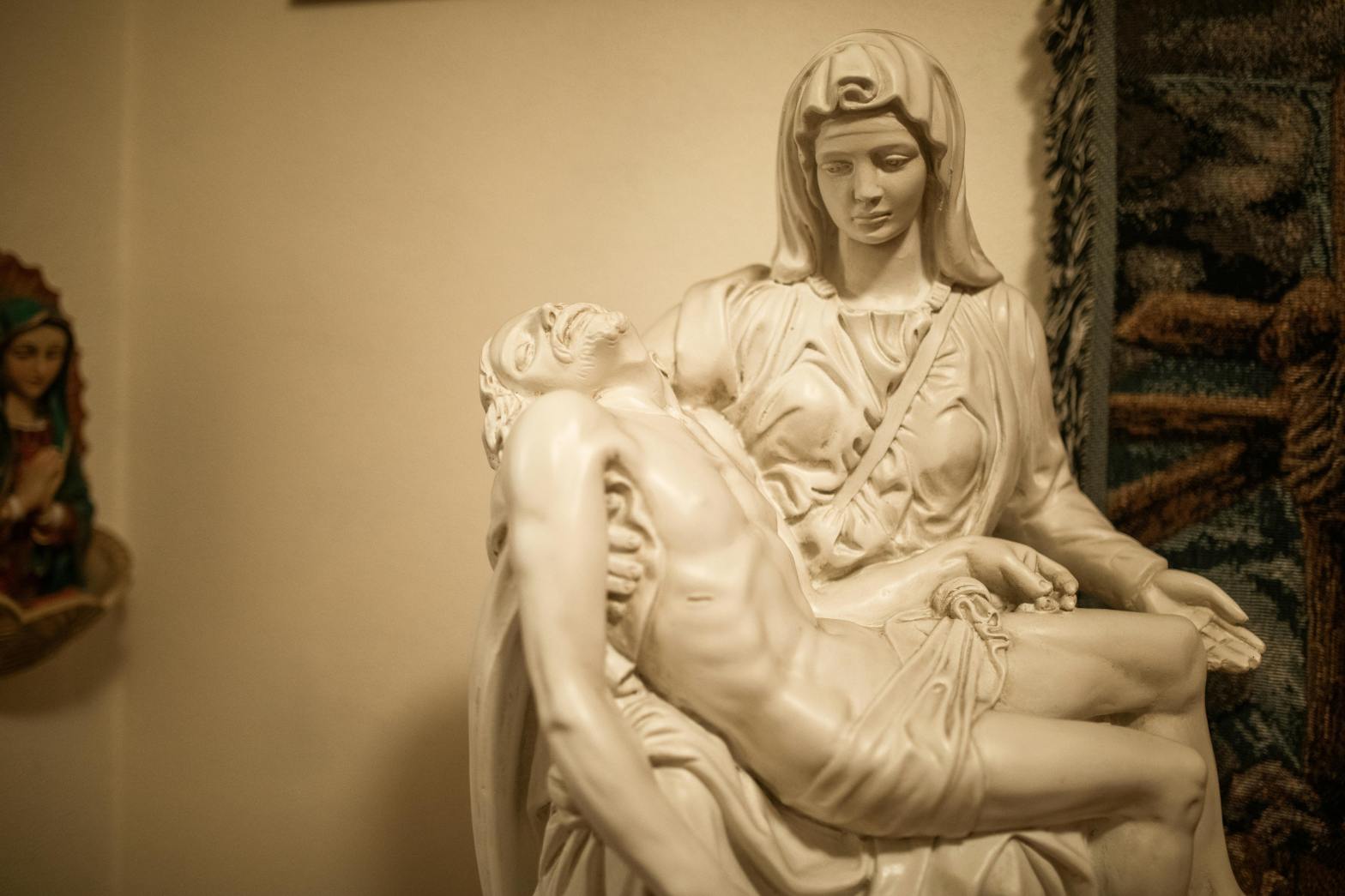
Mary played this role with Christ.
Remember the wedding feast? Jesus had done no miracles that we are aware of prior to this. Mary sees a potential for Jesus to bring joy and happiness to a situation, and she invites him to act and turn the water into wine. If he loved her, surely, he would give a favourable response?
No. He shuts her down. “Woman, why do you involve me?” (John 2:4)
Now I’m no Mother-of-God, but it feels pretty close to what Tim said to me the other day about the building contract.
What’s interesting about it, is that his response gives us an insight into why men often respond the way they do to our requests, i.e. negatively. And why a woman should not see this as the end of the matter.
What is the rest of Jesus’ answer? “My time has not yet come”. (John 2:4)
I’ve always thought of the meaning of this as something along the lines of ‘my time for ministry’ or ‘my time to become publicly known’, however, I was recently given a new perspective on this by religious symbolist Jonathan Pageau, who explained Jesus’ meaning more as ‘my time to die has not yet come’ or ‘I’m not ready to die, yet‘.
God thinks differently to the way we think. While we (and the disciples) tend to look at the positive, the public ministry, the miracles, the good works, the fame, Jesus had to keep reminding them, “The Son of Man must be lifted up” (John 3:14). When he said this, he didn’t mean in adoration, he meant in death. It was at the fore-front of his mind and plan, he came to die and everything he did was leading to that point.
So when Mary invited him to perform a miracle, something that would make everyone happy, something that would make him a hero, he was seeing as the necessary result of it, his own death. No wonder he was not so keen. Can we then forgive him his cold response? ‘That’s not how I saw it happening and really, I’m not that keen to die over a party trick.’
Understood this way, it also makes sense from a relationship point of view. Ultimately, everything that I ask of Tim, requires his death, death to self. If want him to spend time listening to me, it’s death to what he wanted to watch on his phone, if want him to fill in the building contract with me it’s death to the only time he had to rig up the solar system he’s been collecting to save us hundreds on our electricity bill. Now I understand it a little more. When I get a negative response from him, it’s not a ‘never’, It’s an ‘I don’t feel ready to die for that, yet.’
While I am focused on the end goal – the joy of the completed house – He is seeing the immediate request associated with the end sacrifice – ‘I’m happy to die to what I want to do to get the house built, but filling in the contract is just a little thing, I’m not ready to die over that, yet‘.
And that’s where I come in. If you understand the fundamental characteristics of God that drive the masculine and feminine, you will be able to understand this interaction. The masculine embodies the character of God that is most fulfilled by voluntary sacrifice for a higher good. As women, we often feel that if he gives a negative response to our invitations we either have to make him do it through emotional blackmail or be respectful and back off.
But there is a problem with both of these responses. If he feels forced into a fulfilment of your desires, it takes away the voluntary sacrifice and also any sense of meaning or purpose he might derive from it. Equally, if you back off and leave him to do his own thing, it deprives him of an opportunity to manifest a higher meaning in his own life.
Is there another way?
Yes, Mary’s way.
She didn’t order or emotionally threaten Jesus to act but neither did she backpedal and apologise for asking too much. She left her request open and trusted him to make the best possible choice.
The feminine embodies the trust, potential and inspiration of God. She set the potential of the situation before him and inspired him with her trust that he did have what it would take to make the sacrifice, “Do whatever he tells you” (John 2:5).
As a couple, you can achieve great things if you learn how to have the spirit of God in her (trust/potential) speak to and inspire the spirit of God in him (self-sacrifice).
Ultimately Mary understood the sacrifice that was required of Jesus and she voluntarily offered him to the world. This is the call of God to women: understand the sacrifice you are asking of him, and ask it anyway. It is for the higher good that you inspire him to purpose.
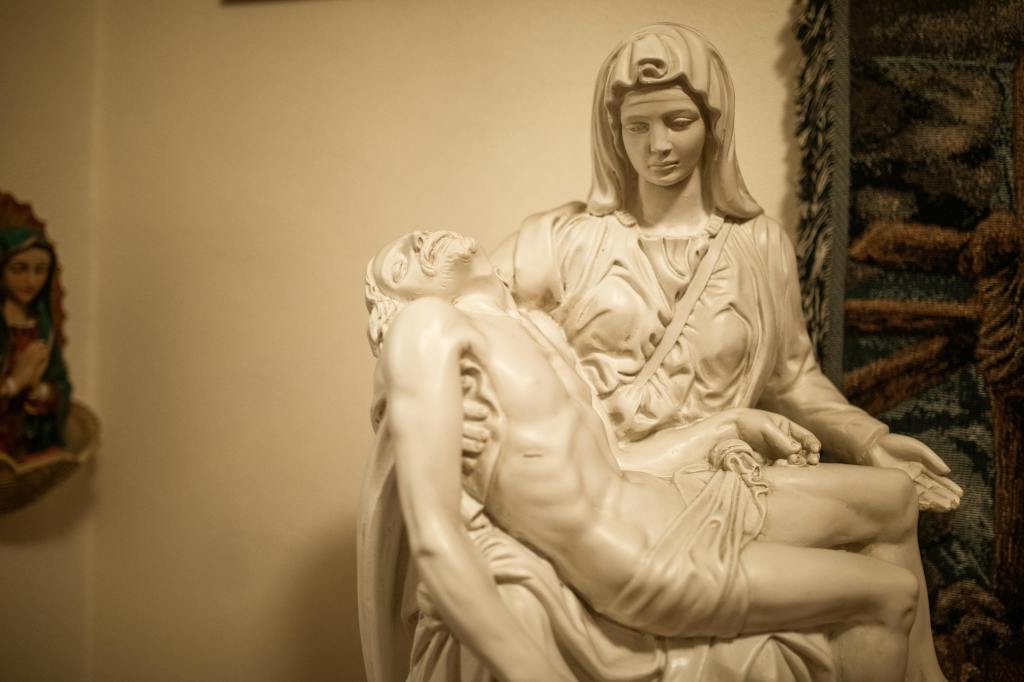
The reason that a man chooses to be in a relationship is in order to obtain this higher purpose. The feminine provides this purpose for him, she embodies the potential for higher fulfilment, outside of himself, of creating, protecting and providing for a wife and a family, a mini-christ in a mini-cosmos of the world.
God’s spirit – manifest here in the feminine source of Mary – is what ultimately led Jesus to embrace the cross:
“For the joy set before him he endured the cross, scorning its shame, and sat down at the right hand of the throne of God.” (Hebrews 12:2)
Through her invitation, he saw the joy available, sacrificed himself, and obtained ultimate fulfilment of his purpose and meaning.
Could it be that her faith inspired his action? That an earthly woman inspired even a Godly man to act when he was not yet ready? Could it be worth a try in your relationship?


Grow together in the image of God
The Relationship Devotional
 little words